Roof problems
Flat Roof Roofers
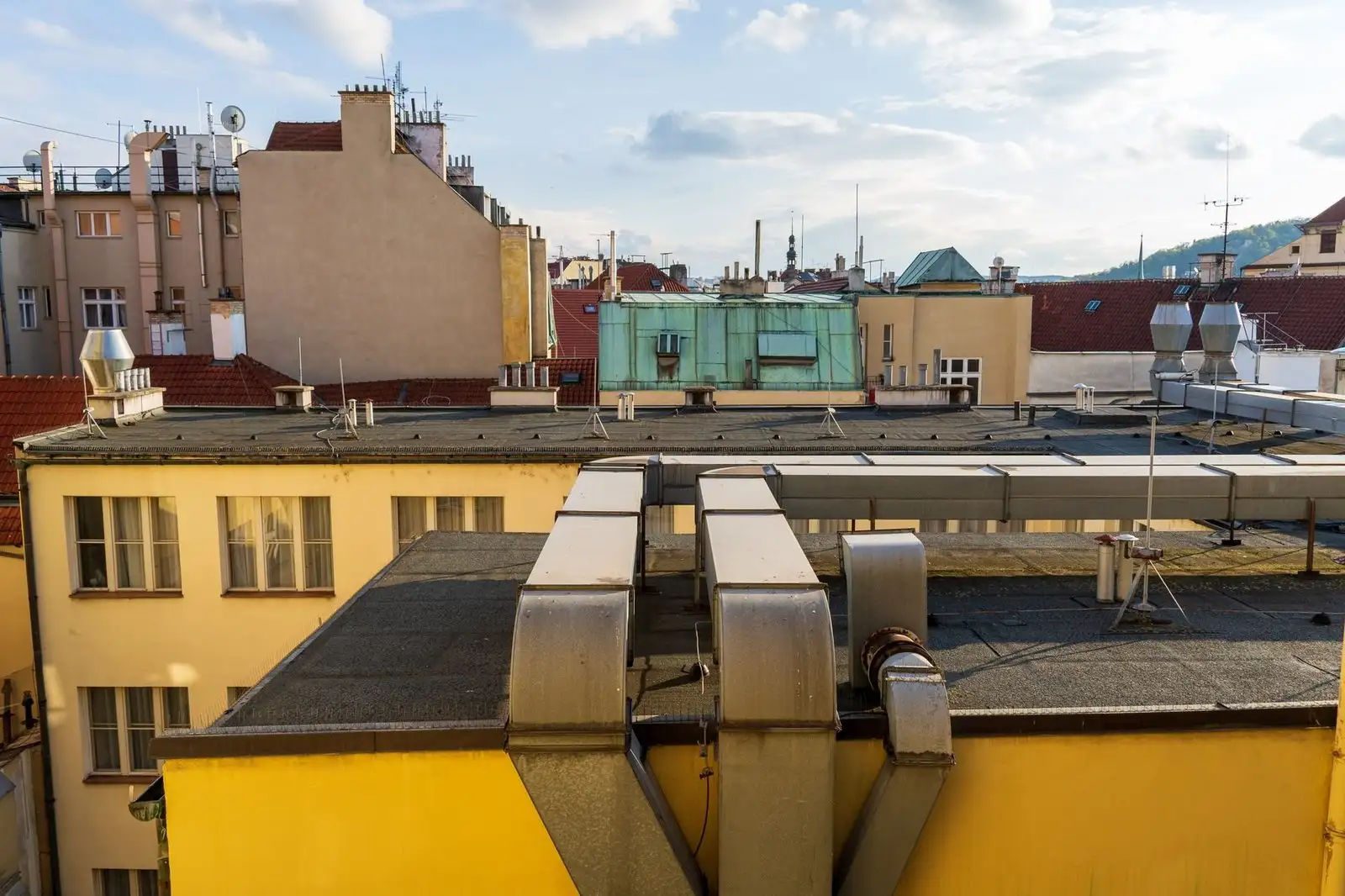
Flat roof roofers handle low-slope roofs on additions, garages and small commercial buildings, which fail at the seams.
Flat roof roofers deal with a different problem from shingle roofers: a roof that has to shed water with almost no slope.
A flat roof is never actually flat. It has a slight fall to a drain or a scupper, and when that fall is wrong, or the drain is blocked by pine needles, water ponds. Ponded water finds every seam, every flashing and every pinhole in the membrane, and on a Houston roof it also sits in the sun and cooks the membrane until it cracks.
The common flat-roof repairs are resealing seams on a modified bitumen or TPO roof, patching a puncture, re-flashing a parapet wall or an AC curb, and clearing and resetting a drain. The less common and more expensive one is replacing wet insulation under the membrane, which is what happens when a small leak has been feeding the deck for a year.
If you have a flat section on a house, it is usually an addition or a porch roof, and the problem is usually a leak where it meets the main roof. That junction needs looking at by somebody who does low-slope work rather than only shingles, because the materials and the method are different from ordinary shingle repair.
Flat roofs use different materials from shingle roofs, and the repair depends on which one you have. Modified bitumen is a sheet membrane that is torched or cold applied with overlapping seams. TPO and similar single ply membranes are welded at the seams with hot air. Built up roofs have layers of felt and asphalt with a surface coat. Each can be patched, but the patch has to be compatible with what is underneath, and a repair done with the wrong material fails within a season. A good contractor identifies the membrane first, then finds the leak by following the seams, penetrations and drains where water collects.
Drainage is the question behind most flat roof leaks. A roof that holds water for more than a day after rain is ponding, and ponded water finds every weakness while also shortening the life of the membrane. Sometimes the fix is as simple as clearing a blocked drain or scupper; sometimes the structure has settled and the roof needs to be re-sloped with tapered insulation. Ask the contractor whether the insulation beneath the membrane is wet, because wet insulation has to be replaced and cannot simply be covered. Ask too about the junction where the flat roof meets the main roof, which is the most common point of failure.
Watch the roof after the next rain. If water is still standing a day later, photograph it and note where. That tells the contractor whether the fall is wrong or the drain is blocked before he arrives. Keep the drain clear in the meantime, but do not walk on a wet flat roof, since a membrane can be punctured by a boot.
What it looks like
- Water standing on the roof a day after rain
- Blisters or bubbles in the membrane
- Seams lifting or peeling at the edges
- A stain inside that follows a seam line
Whatever the problem turns out to be, the first step is the same: describe it, say where the house is, and get matched with an independent roofing contractor working in your town. No charge for being matched, and no obligation once you are.
Where
Flat Roof Repair across north Houston
Flat Roof Repair in Humble
Flat Roof Repair in Kingwood
Flat Roof Repair in Porter
Flat Roof Repair in New Caney
Flat Roof Repair in Splendora
Flat Roof Repair in Crosby
Flat Roof Repair in Dayton
Flat Roof Repair in The Woodlands
Flat Roof Repair in Spring
Flat Roof Repair in Atascocita
Flat Roof Repair in Conroe
Flat Roof Repair in Tomball
Related
Get matched
Tell us what the roof is doing
Tell us what's going on and get matched with an independent roofing contractor working in your town. Free, no obligation.
Roof problem in north Houston?
Tell us what is going on and where the house is, and get matched with an independent roofing contractor in your town. No obligation.
Call (346) 576-5816